The Best Resistance Bands Exercises
Filter by Equipment
Cable Machine with Rope Attachment
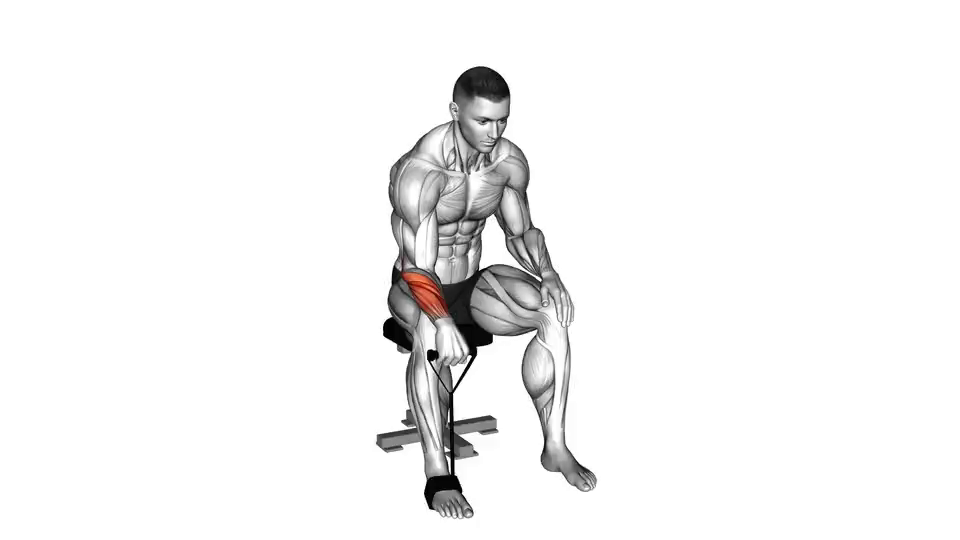
Isolates the forearm extensors. It is essential for building grip balance and preventing repetitive strain injuries in the wrists.
View more
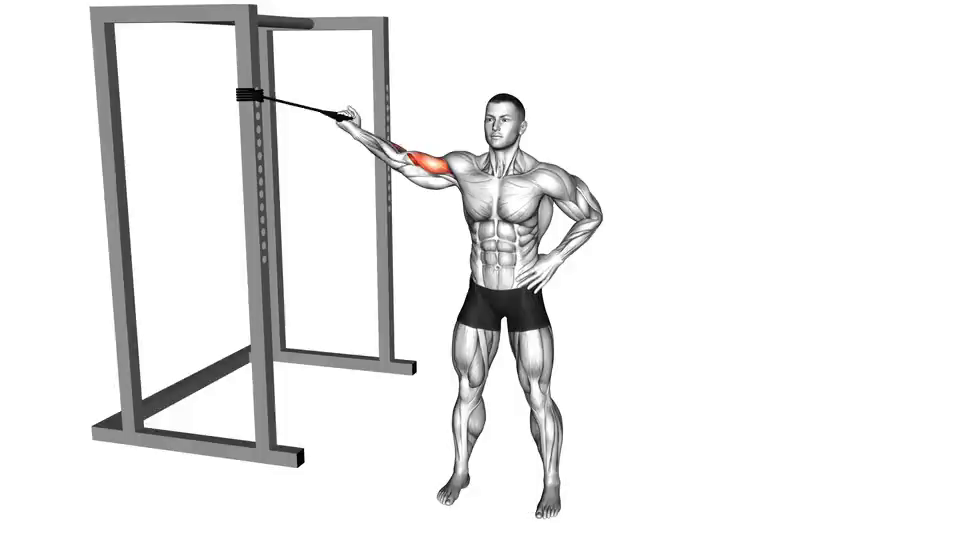
A unilateral bicep exercise focusing on the long head. The overhead position provides a deep stretch and increases the demand on the muscle.
View more
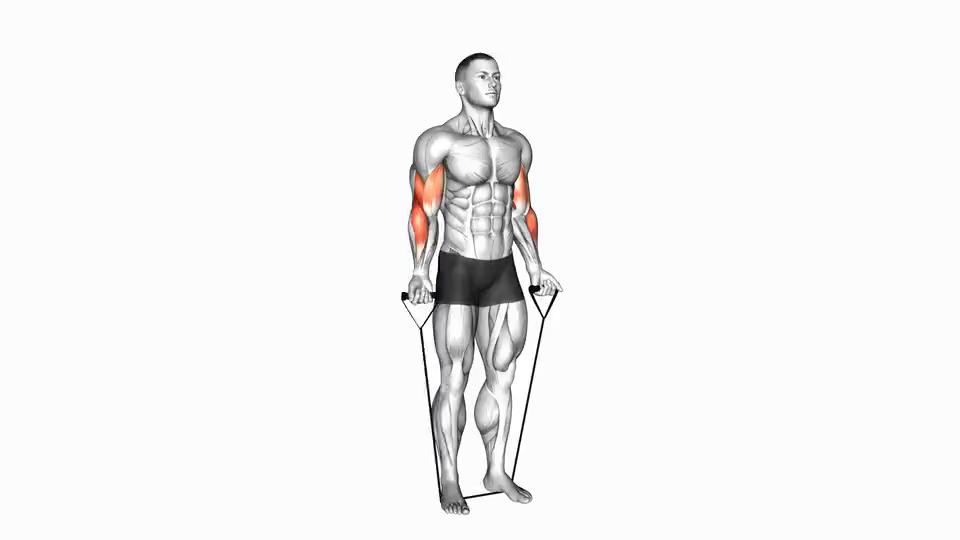
A unilateral bicep exercise. Alternating arms allows for better focus on muscle contraction and helps manage fatigue during high-volume sets.
View more
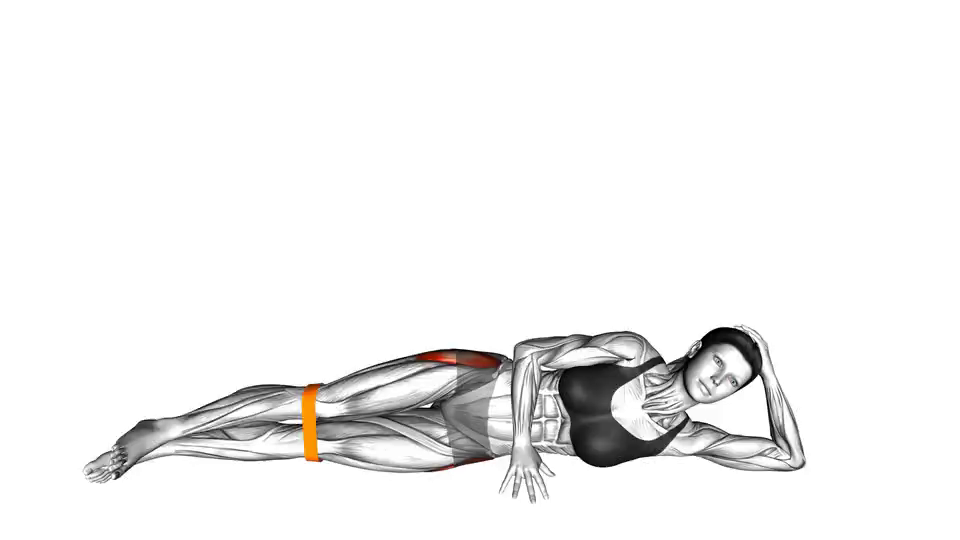
A core exercise that targets the lower abdominals and hip flexors. The band adds extra resistance during the eccentric phase.
View more
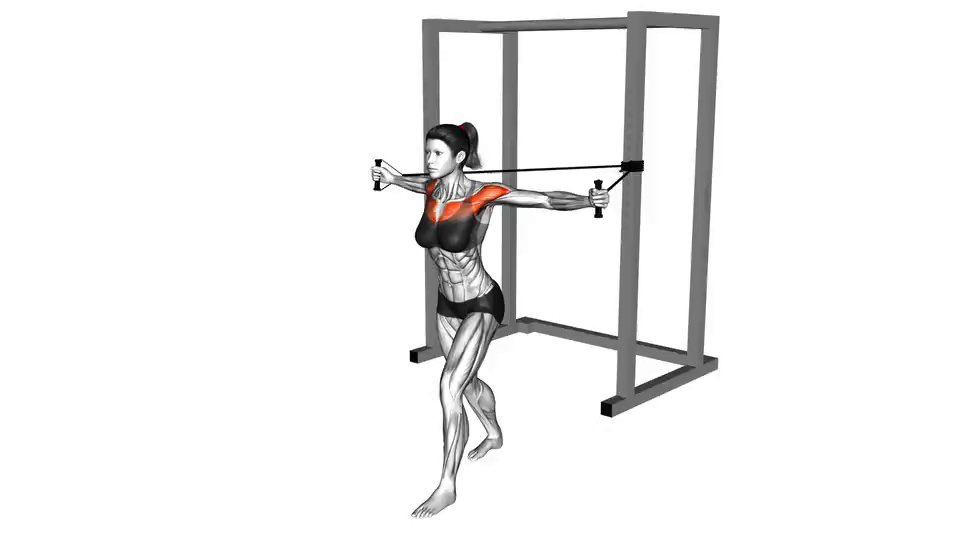
Targets the mid-chest fibers. The horizontal pulling arc provided by the band creates constant tension and maximizes pectoral recruitment.
View more
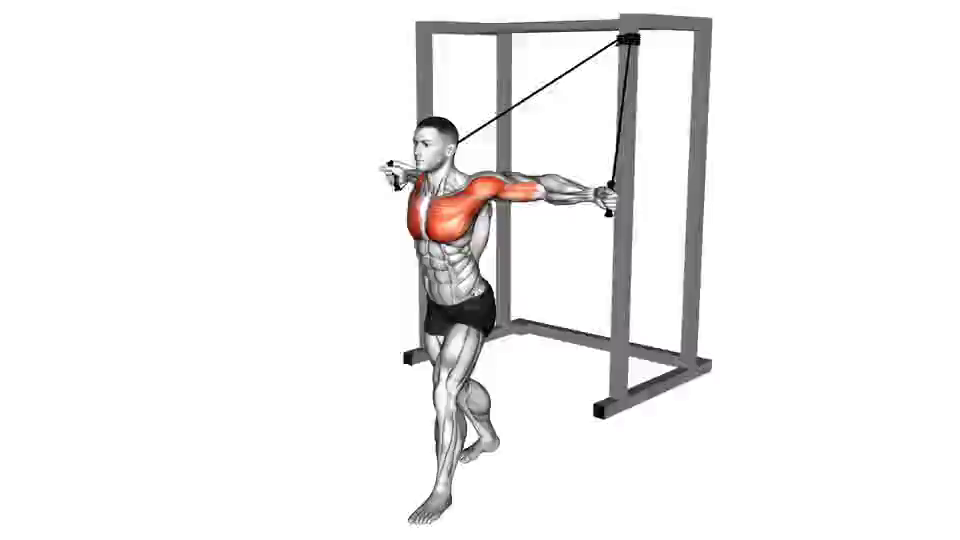
Targets the lower pectorals through a low-to-high arc. The band resistance emphasizes the inner chest and lower sternal fibers.
View more
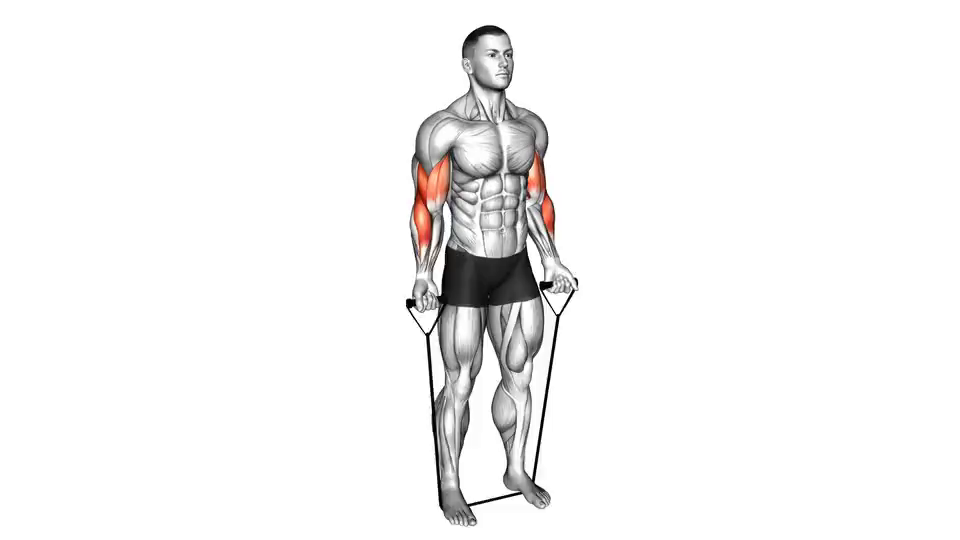
Emphasizes the outer head of the biceps. The close grip increases tension on the long head, helping to build the bicep peak.
View more
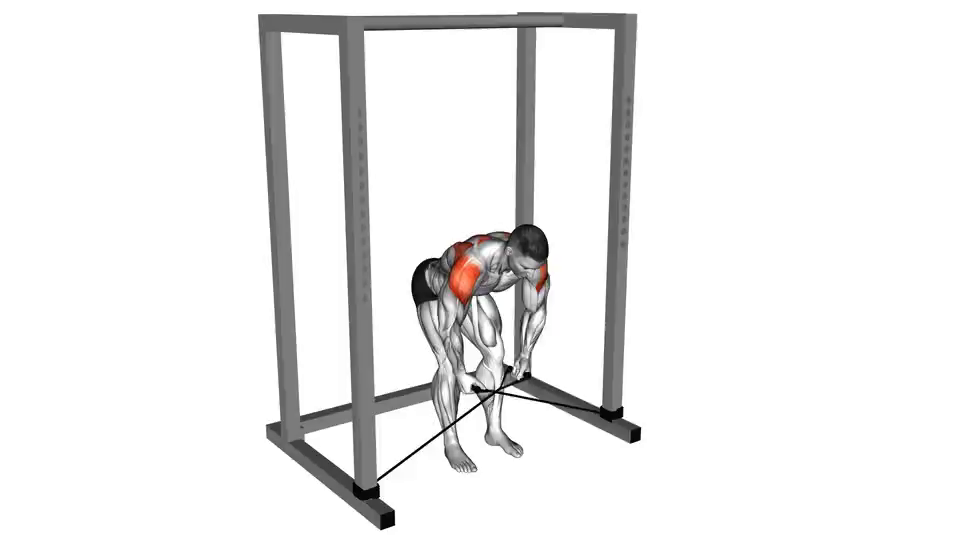
Targets the posterior deltoids and rhomboids. Using a band creates increasing resistance as the muscle shortens for a better peak contraction.
View more
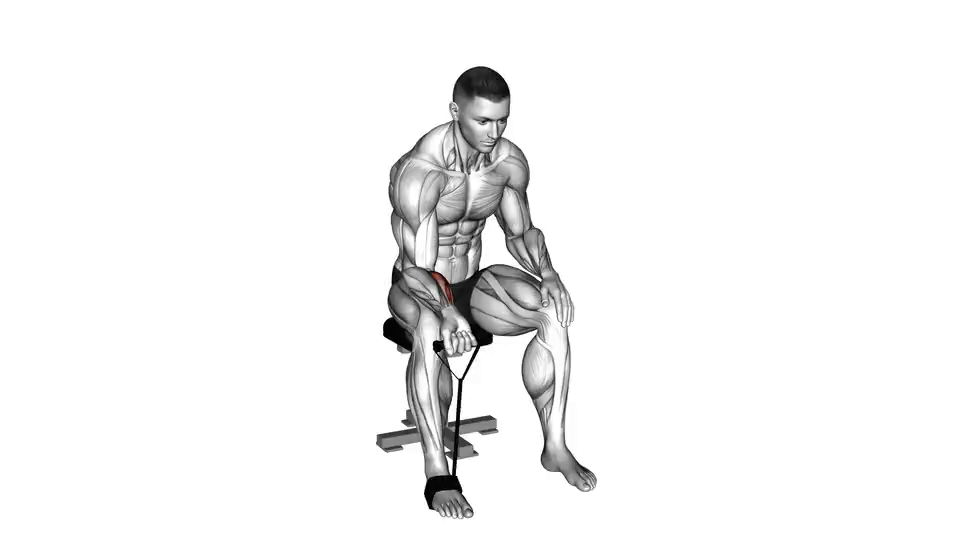
Isolates the forearm flexors. The band provides smooth tension that builds grip strength and forearm volume through controlled wrist flexion.
View more
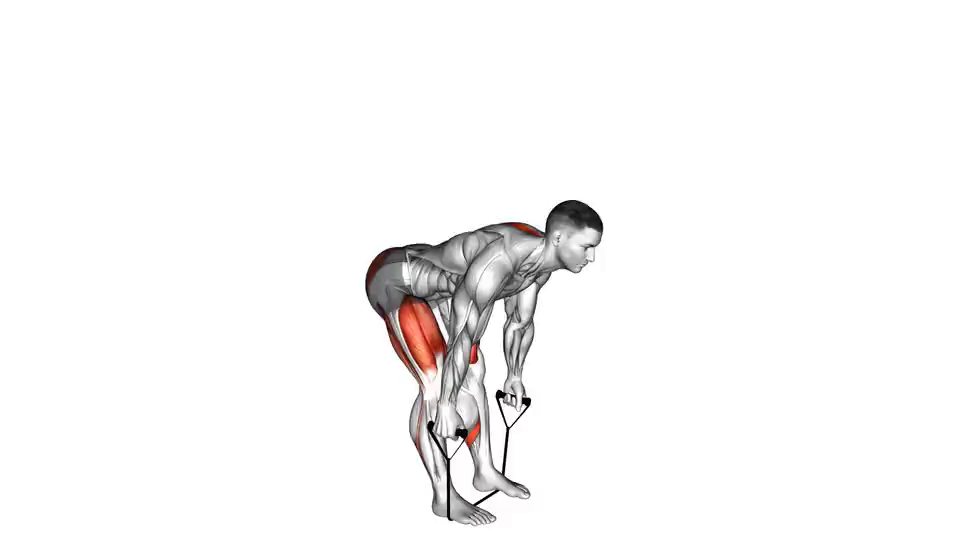
Targets the hamstrings and lower back. The band provides constant tension on the posterior chain during the stretch and contraction phases.
View more
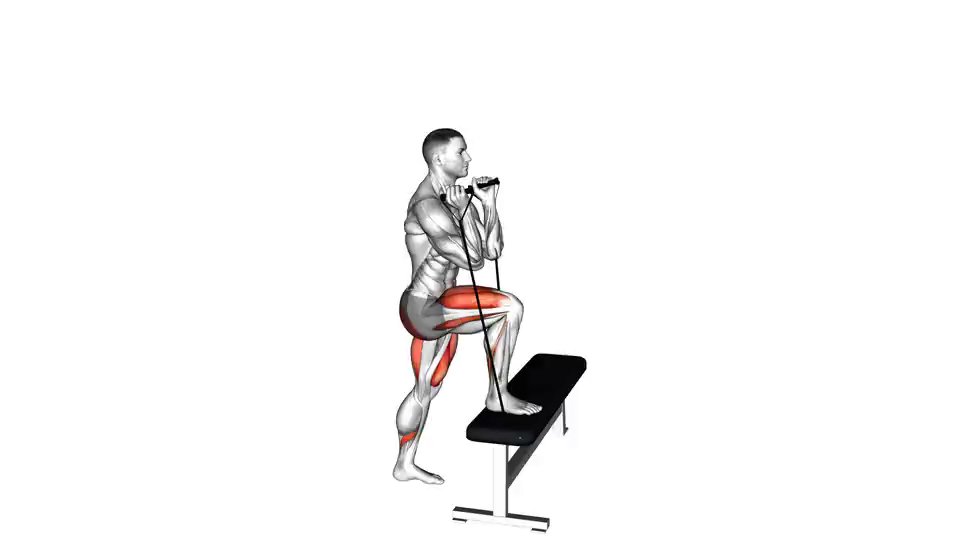
A unilateral leg move. The band adds resistance to the lift, increasing the demand on the quads and glutes while improving functional balance.
View more
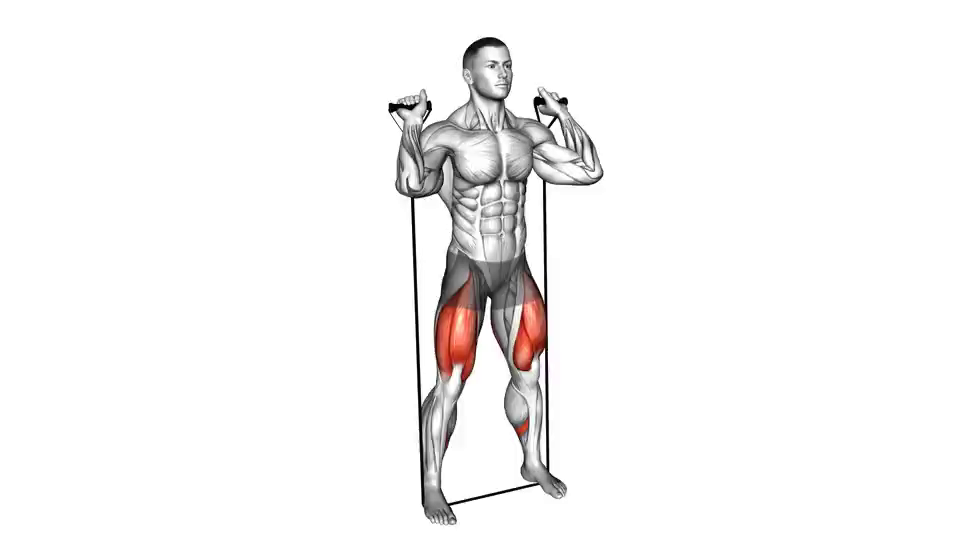
A foundational lower-body exercise. The band provides increasing resistance during the ascent, maximizing the demand on the quads and glutes.
View more